

Shotz Casino presents a self-chosen self-assessment quiz designed to help players reflect on their gambling patterns in a confidential, pressure-free atmosphere. The tool doesn’t categorize anyone, but it delivers a guided moment of thought. By answering a short set of clear questions, users obtain a more precise view of where their patterns right now stand and whether any changes might promote a better relationship with gaming.
The Function of Self Assessment in Responsible Gaming
Consistent self-assessment moves the focus from external restrictions to personal awareness. When players consistently check their own habits, they become more aware to slight changes that might otherwise go unnoticed. This preventive stance aligns with the broader safer play philosophy that sets the individual as an involved participant in their own well-being rather than a receptive recipient of limits.
Timely Identification
Behavioral shifts often occur in small increments. A player might lengthen session length by ten minutes, then twenty, without consciously registering the change. The quiz creates a intentional pause that brings these progressive escalations into focus. By comparing results over time, users can identify trends long before they solidify into deep-rooted patterns that are tougher to reverse.
Building Awareness
The very act of reading the questions teaches players about what represents risky conduct. Someone who has never considered that lying about gambling could be a warning sign may identify that behavior in themselves for the first time. This informative dimension extends beyond the score, turning the quiz into a educational tool that builds enduring literacy around safe play.
Actions to Follow After Finishing the Quiz
Once the results are displayed, the most effective next move is to reflect on the information for a moment before responding. Rushing to dismiss a moderate-risk score or freaking out about a high-risk one can impair decision-making. A calm examination of the specific behaviors that influenced the score often uncovers one or two concrete areas where a small change could have a significant impact.
- Review the full result explanation thoroughly, noting which behaviors affected the score most.
- Jot down one or two personal observations that came up while completing the questions, even if they look trivial.
- Match the current result with any previous scores if the quiz has been taken before, tracking upward or downward trends.
- Determine a single actionable adjustment, such as configuring a session timer or lowering a deposit limit, and apply it immediately.
- Plan a follow-up self-assessment in three to four weeks to see whether the adjustment had the expected effect.
Doing even one of these steps transforms the quiz from a passive exercise into an active self-management practice https://shotzcasinoo.com/. The goal is not to attain a perfect score but to cultivate a habit of honest observation that makes gambling a more aware and managed activity. Over time, this approach typically minimize the emotional surprises that can come with unchecked play.
Integrating the Quiz into Daily Habits
Turning self-assessment a consistent practice amplifies its protective value. Some players schedule a calendar reminder to retake the quiz every month, treating it like a routine health check. Others use it after a particularly intense gambling session to gauge whether that experience shifted their perspective. The key is regularity, not frequency, so that reflection becomes a normalized part of the entertainment routine.
Pairing the quiz with other responsible gaming tools creates a multi-level safety net. After reviewing a moderate-risk result, a player might promptly adjust their weekly deposit limit or activate a session time alert. This combination turns insight into action, closing the gap between recognizing a pattern and doing something productive about it.
Using Results to Set Personal Limits
The quiz output can serve as a practical benchmark for configuring account settings. A user who notices an uptick in loss-chasing behavior might lower their maximum single bet amount for a few weeks. Someone who scores in the low-risk band but wants to stay there could set a fixed monthly budget and use the quiz to check that their spending stays aligned with that target over time.
When to Get Additional Support
Sometimes the quiz uncovers patterns that seem too heavy to manage alone. In those moments, the most responsible action is to reach beyond the tool and engage with professional resources. Shotz Casino includes links to independent helplines and counseling services on the results screen, making that connection as direct as possible without forcing the user.
Getting outside support does not mean failure. Many people consult a counselor or attend a peer support group long before a crisis develops, simply to gain clarity. The quiz can serve as a gentle reminder that external perspective might be valuable, especially if the same worrying patterns appear across multiple self-assessments despite attempts to adjust.
Families and friends can also profit from understanding what the quiz evaluates. A player who reveals their results with a trusted person creates a channel for honest conversation that can lessen the secrecy that often surrounds gambling struggles. The quiz, in this sense, becomes a conversation starter as much as a personal diagnostic tool.
Who Should Complete the Quiz
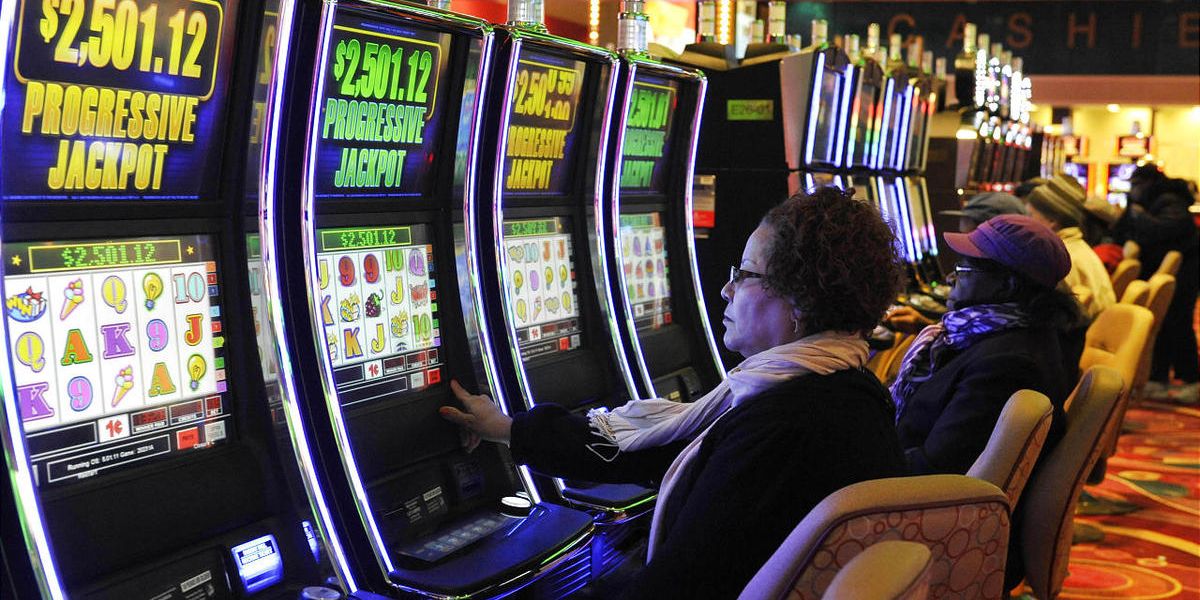
The tool is designed for any grown-up who takes part in casino games, irrespective of how often they gamble. A person who connects once a month for a brief session can profit just as effectively as an individual who goes daily. Self-assessment is not meant for periods of difficulty; it works optimally as a regular check-in that stops small movements in behavior from going unnoticed over time.
Players who have never questioned their habits might discover useful understandings simply by noticing their patterns shown in the questions. Those who already experience a slight unease about their gambling can use the quiz to verify or dispute that feeling with organized feedback. The activity does not require a problem to be present in order to be valuable.
Grasping the Self Assessment Quiz
The quiz functions as a personal mirror, rather than as a clinical instrument. It translates common behavioral markers into a basic scoring system that underscores potential areas of concern. As it is based around widely accepted responsible gambling indicators, the results indicate patterns that research has linked to increased risk. No personal data is stored, and the process remains entirely anonymous.
Shotz Casino developed the tool to eliminate barriers to self-reflection. Many players hesitate to evaluate their own habits because they fear judgment or presume the exercise is only for extreme cases. The quiz restructures the conversation, presenting self-checks as a standard part of informed entertainment. It encourages users to take a moment and consider their choices without external pressure or mandatory thresholds.
Origins and Structural Principles
The quiz utilizes established frameworks used by problem gambling support organizations and behavioral researchers. Question phrasing avoids accusatory language, rather using neutral, factual inquiries about time dedicated, money staked, and emotional responses. The design principle is uncomplicated: make honest self-appraisal accessible to everyone, from casual visitors to regular players who simply want to remain mindful of their boundaries.
Interpreting Your Outcomes
Outcomes appear instantly on screen and are framed as guidance-based direction rather than definitive determinations. The language highlights personal initiative, noting users that the output is a starting point for consideration, not a clinical designation. Each result band features recommendations that range from keeping current practices to evaluating small modifications or getting external help.
Low-Risk Signs
A low-risk result implies that the player’s stated behaviors correspond to recreational, managed participation. The response typically underlines the significance of maintaining to define time and money limits, even when things feel comfortable. It also encourages repeating the test regularly, because risk levels can shift unnoticeably without obvious warning signs.
Intermediate-Risk Indicators
When the result falls into the moderate-risk category, the analysis points to specific behaviors that deserve awareness. A user might notice that they from time to time chase losses or get annoyed when not participating. The accompanying text proposes practical measures such as tightening deposit restrictions, organizing gambling-free days, or discussing behaviors with a close companion to gain outside perspective.
Elevated-Risk Alerts
A high-risk outcome reveals that several concerning tendencies are noted at considerable frequency. The response refrains from scare tactics but plainly states that the reported actions are highly connected with the onset of gambling-related harm. It supplies contact information for professional support resources and encourages the user to evaluate a break from gambling while thinking on the next moves.
How the Quiz Works
Participants use the tool straight through the Shotz Casino platform without having to sign in or provide identifying details. A series of multiple-choice questions appears on screen, each targeting a specific behavioral dimension. The entire process requires only a few minutes, and the interface steers participants easily from one question to the next, with no complex navigation or external links required.
After the final question, the system automatically computes a score and displays a result category along with a brief interpretation. The feedback is conveyed in plain, supportive language that steers clear of alarming terminology. Gamblers can view the output privately and determine for themselves what, if anything, they want to do with the information. No follow-up messages or notifications are triggered.
Question Structure
Each item in the quiz concentrates on a concrete behavior as opposed to a vague feeling. Examples include inquiries about chasing losses, hiding gambling activity from friends or family, borrowing money to continue playing, and experiencing restlessness when trying to cut back. Response options typically vary from “never” to “almost always,” enabling the tool to capture frequency and intensity without expecting precise numerical estimates.
Scoring System
Selections have weighted values that match the level of risk associated with each behavior. The algorithm adds these values into a total score, which then lands in one of several predefined bands. The bands are labeled with clear descriptors such as low-risk, moderate-risk, or high-risk, each accompanied by a short explanation. The scoring model is designed to err on the side of caution, flagging patterns early instead of waiting for severe indicators to appear.
Widespread Misconceptions Concerning the Quiz
A common frequent misunderstanding is that the tool exists to catch problem gamblers and impose restrictions. In reality, the quiz has no enforcement function and does not trigger any automatic account limitations. Its sole purpose is to provide information that the player can use voluntarily. No staff member reviews individual results, and no flags appear on the user profile.
Another misconception is that a high-risk score means a person has a gambling addiction. The quiz cannot diagnose a clinical condition; it only highlights behaviors that correlate with increased risk. The distinction matters because it preserves the user’s autonomy. The tool says “here is what your answers suggest,” not “here is what you are.”
Highlights of the Shotz Casino Tool
Shotz Casino designed the self-assessment experience to be seamless and discreet. The interface is fast on both desktop and mobile devices, and the color scheme is calm and non-intrusive. No account creation is necessary, and the session produces no trace in the user’s playing history. These design choices decrease the barrier to entry and preserve the privacy of anyone who uses the tool.
Beyond the core quiz, the tool offers optional resources that users can browse at their own pace. Links to independent support organizations show up on the results screen, along with brief descriptions of what each service offers. The platform also proposes complementary safer gambling features accessible within Shotz Casino, such as reality checks and deposit caps, without pushing any particular course of action.
Privacy and Discretion
No personally identifiable information is gathered during the quiz. The system does not log IP addresses, session identifiers, or answer patterns in any database linked to individual accounts. This architecture assures that a player can answer honestly without worrying that their responses might later be used for marketing segmentation, account restrictions, or any other unwanted purpose.
Continuous Improvement of the Instrument
Shotz Casino consistently assesses the quiz content based on emerging findings in gambling behavior and harm prevention. Question wording is improved when studies recommend more effective ways to measure risk without provoking defensiveness. The scoring bands are recalibrated when new data suggests that thresholds should be modified to detect risk earlier or reduce false positives.
User feedback plays a role to this progress, even though individual responses are not tracked. The platform tracks aggregate usage patterns, such as completion rates and time spent on the results screen, to pinpoint friction points. If a particular question appears to lead to confusion or abandonment, the design team examines and tries out alternative phrasing.
This commitment to refinement secures that the self-assessment quiz stays a pertinent, trustworthy resource. As understanding of gambling-related harm deepens, the tool evolves rather than stagnating. Players who come back to the quiz after several months may observe subtle improvements that make the experience more seamless and the insights sharper.


